

The mayor of Austin, Texas, says it’s high time that the heart of the city connects with the nearby airport via seamless public transit.
And after Texas voters handed Democrats the governor’s mansion, a U.S. Senate seat and the attorney general’s office last week, the chances of it happening are more realistic than ever.
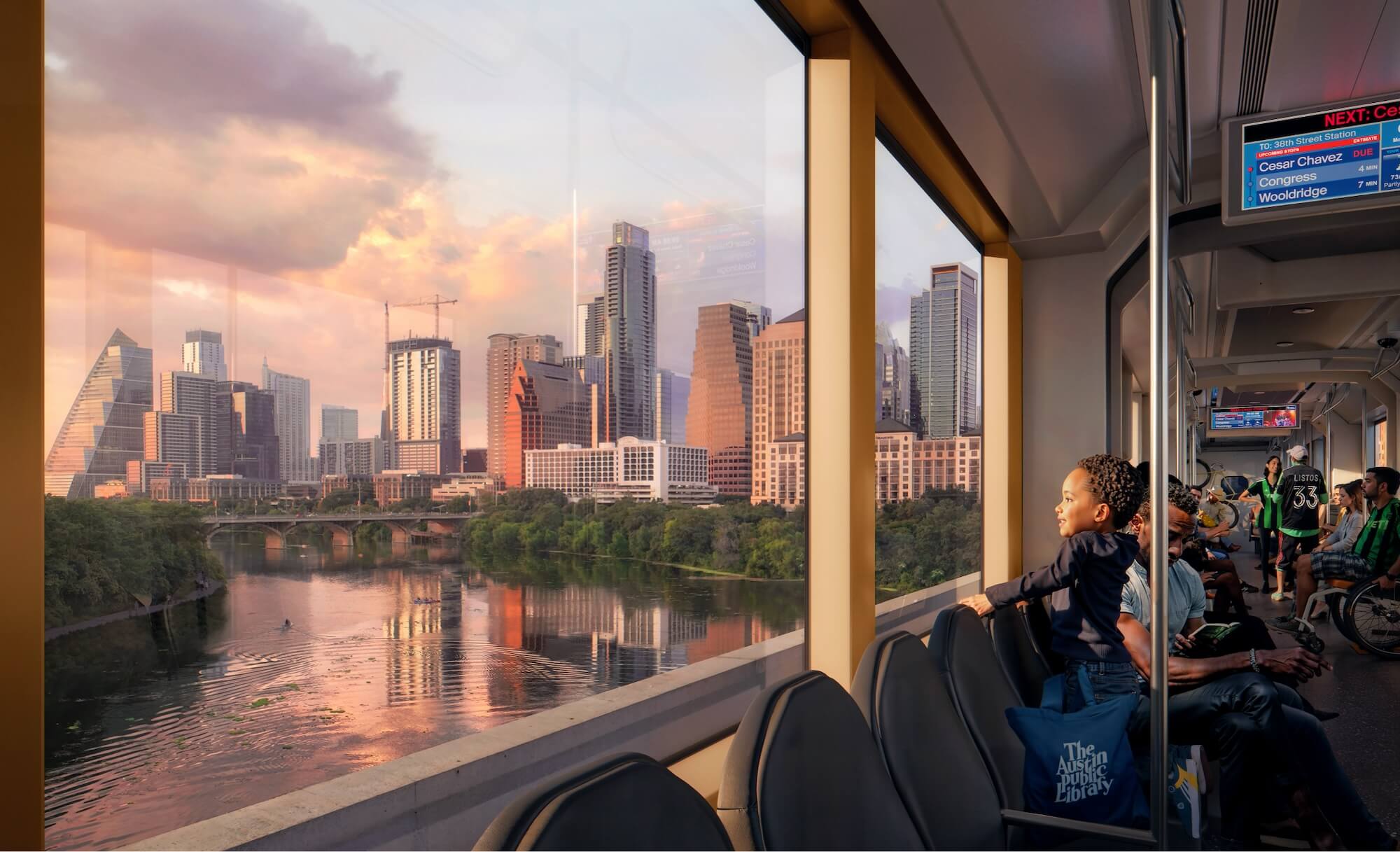
Austin Mayor Kirk Watson announced Tuesday that the Austin Transit Partnership (ATP), the agency building the city’s first light rail line, will begin planning an extension to Austin-Bergstrom International Airport (AUS).
“It’s time to start the process to get rail to the airport,” Watson wrote in his email newsletter.
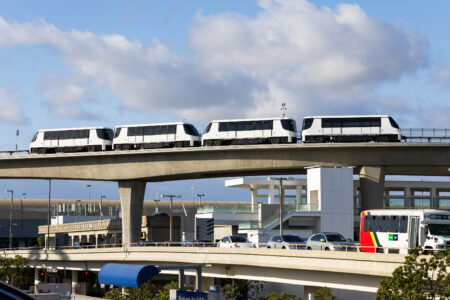
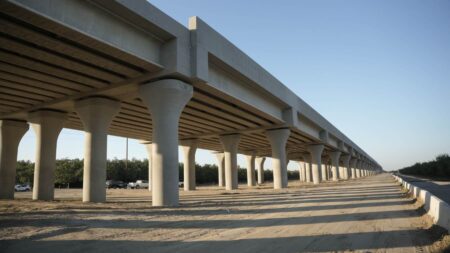
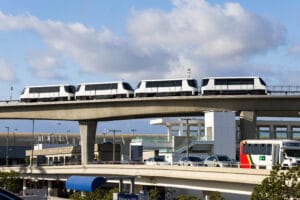
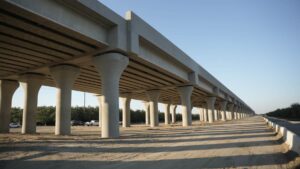
The airport extension would be about 3 miles long, mostly on elevated track. It would begin at a planned transit hub called Yellow Jacket Station and connect to a newly built station at the airport.
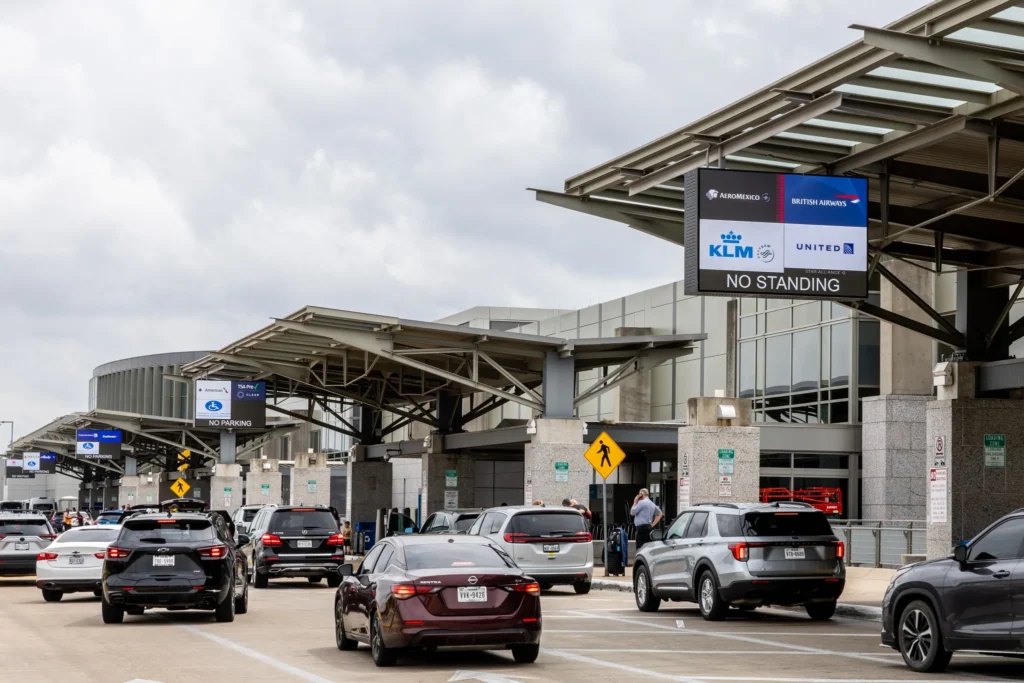
Watson said planning would take between nine and 12 months and would be primarily focused on the cost and funding of the project. The Austin mayor said the Federal Transit Administration has already agreed to streamline the environmental review.
While an estimated cost or funding source has not been determined yet, Watson said he has challenged the ATP team to build the extension within a budget that was already approved by voters without raising additional funds from taxpayers.
ATP officials said getting rail service to the airport was the top request from members of the public during the environmental review for the project’s first phase.
ATP will work in concert with the Texas Department of Transportation to extend the light rail line along Highway 71 to the airport with a designated space set aside for a future rail station.
Read More: Chicago wants to build 15-minute express train from downtown to O’Hare Airport
In 2020, Austin voters approved an 8.75-cent property tax rate in order to fund a multibillion-dollar public transit expansion program, which includes the light rail plans and expanded bus and rapid transit systems.
Building a railway to the airport was part of the original plan, but it was eventually dropped and the project was pared down as costs climbed.
The first phase of the project is just under 10 miles with 15 stations. The estimated cost is $8.2 billion, and groundbreaking is scheduled for next year.
ATP has awarded about $5 billion in major contracts for design and construction, rail vehicles and a maintenance yard.
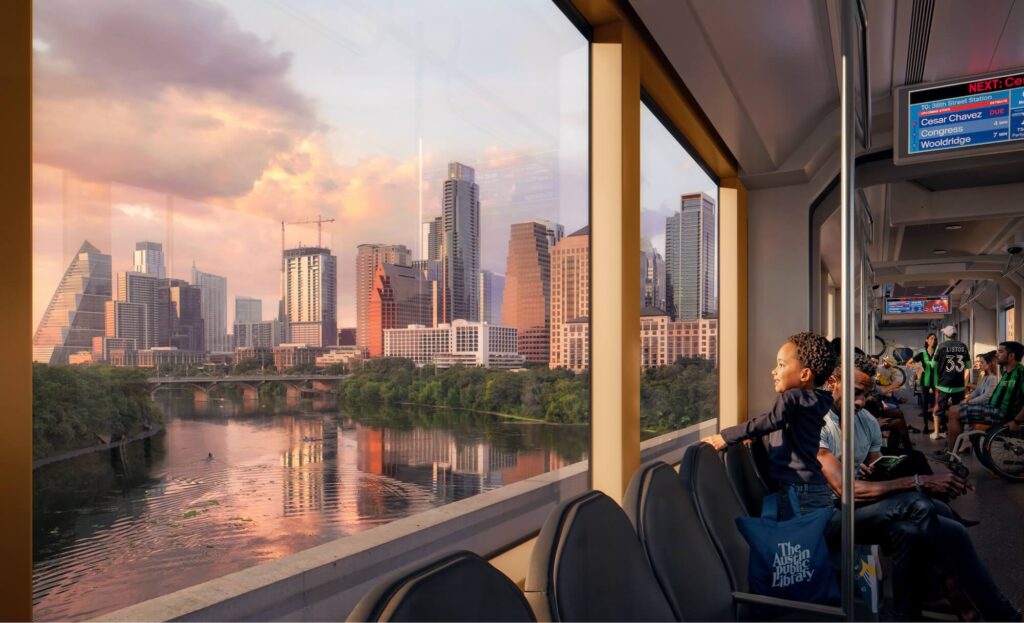
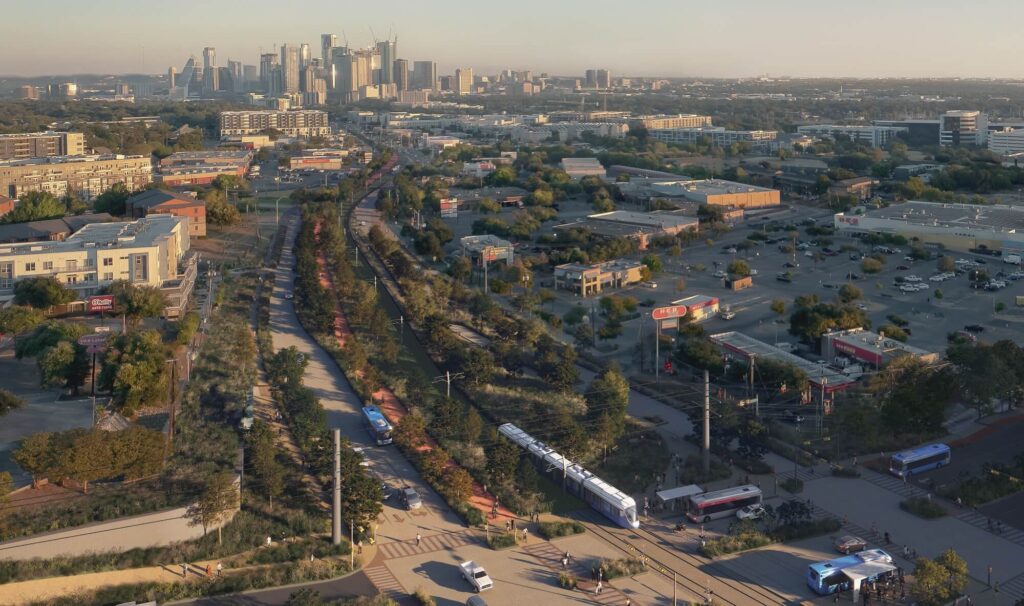
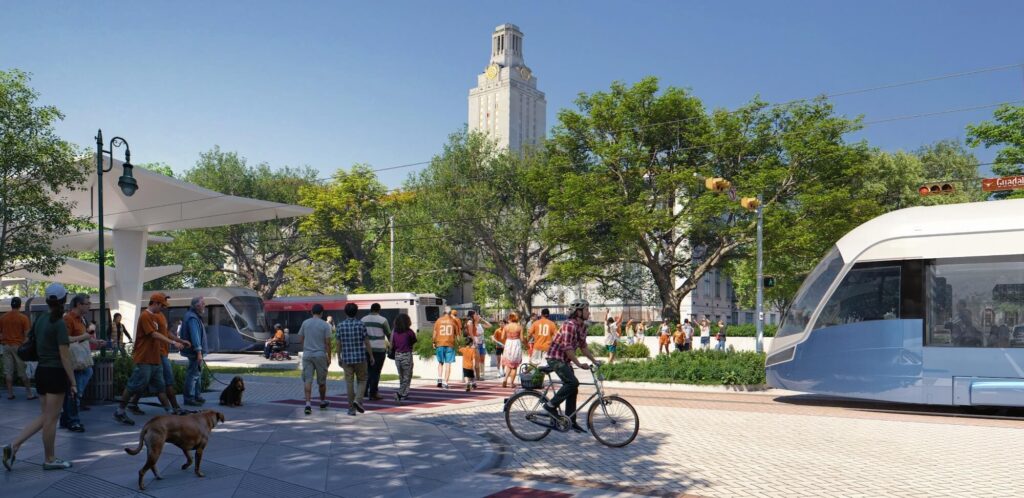
View this post on Instagram
Blue tsunami revives Austin airport rail hopes
One week after a dramatic win for the Democratic Party across the nation, but particularly in Texas, the state capital is reviving part of the ATP project that got cut when money was tight.
Read More: Transit and rail are big winners after Election Day
While the election itself didn’t lead to Watson’s calls to revive the airport rail, politics around Austin are about to shift.
Outgoing Texas Attorney General Ken Paxton, who lost his Senate race to Democrat James Talarico, has fought the project’s financing plan in court for years, despite the Trump Administration streamlining the environmental review. His office filed another appeal to put a stop to the project as recently as this summer, KXAN reported.
In January, Democrat Nathan Johnson will be sworn in as the new Texas AG, and Austin Democrat Gina Hinojosa will become the state’s governor. Texas’ lieutenant governor will be Democrat Vikki Goodwin, and the Texas House will be controlled by Democrats for the first time in over two decades. Republicans kept control of the state Senate.
It’s not clear what exactly Johnson will do with the case against Austin and its public transit improvement plans. It’s probably unlikely he’ll continue the fight that his predecessor started. It’s also unclear whether state lawmakers will try to block funds for the city when the Legislature meets early next year.
But Watson implied now is not the time for Texas leaders to drag their feet and fight progress. He compared the current moment to when Austin replaced Robert Mueller Municipal Airport with AUS, decades ago during his first term as the city’s mayor.
“I can’t imagine Austin today if we hadn’t made that investment and if we hadn’t held firm to that vision,” Watson wrote.
He said the airport is an economic driver of Central Texas, estimated to contribute more than $13 billion in economic activity in 2026 alone.
“We can see the benefit of having been ambitious back in the day and preparing for the future,” Watson said. “We need to be equally ambitious about the transit system that can serve that airport. We should learn from and lean into our success.”
For more stories like this, follow Rail and Runway on Instagram and Facebook.