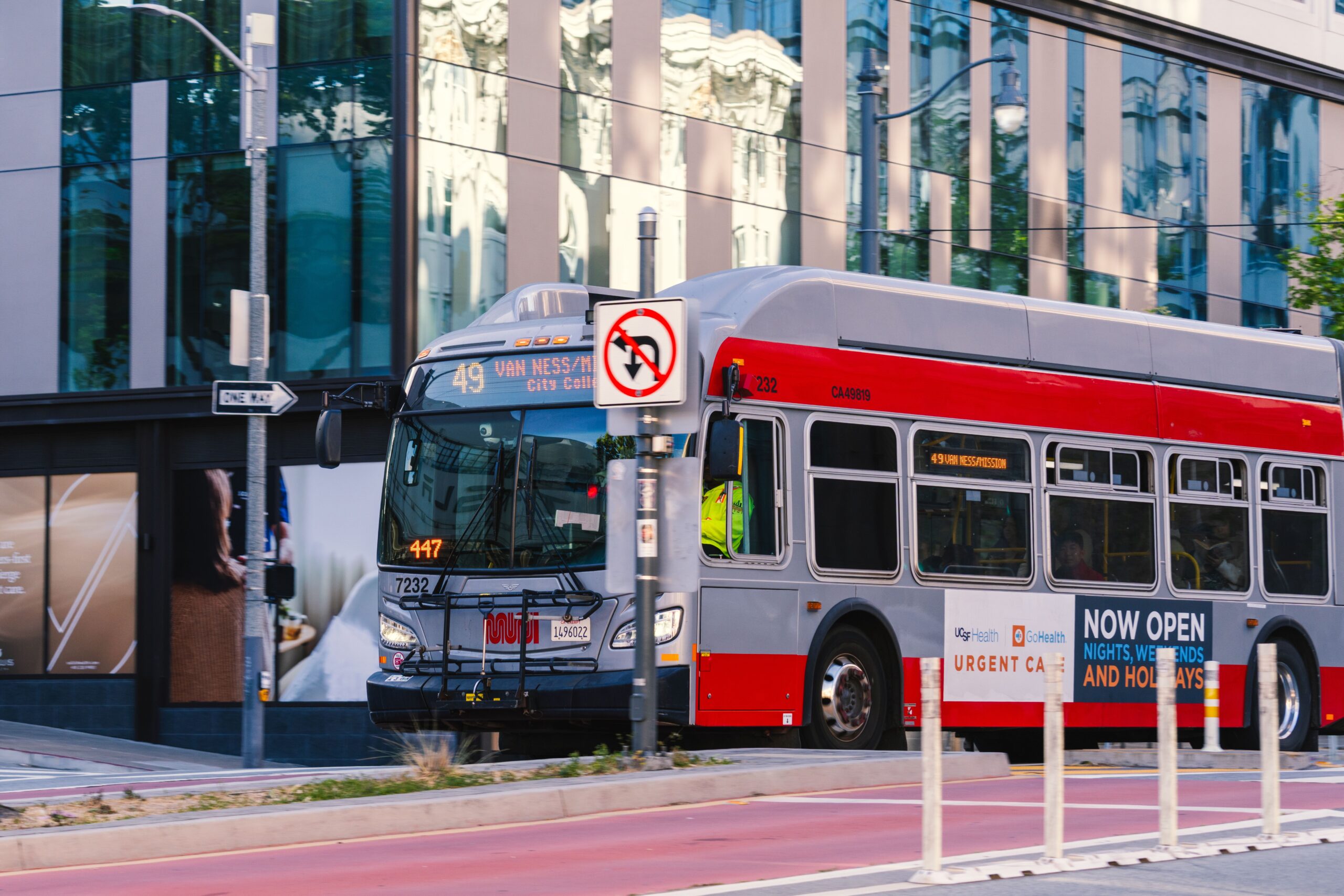

Rail projects, transit ballot measures and pro-transit candidates were big winners on Election Day.
What was promoted as a “blue tsunami” proved true, with the Democratic Party winning massively across the nation, recapturing both the Senate and the House of Representatives and flipping seats that have historically been footholds for the Republican Party.
But Democrats weren’t the only big winners on Tuesday. Pro-transit initiatives also came out ahead from coast to coast.
By Wednesday morning, transit taxes were winning in 10 of 13 measures at state and local levels, including two massive rail victories in Colorado and the Bay Area.
View this post on Instagram
Colorado and the Bay Area lead the rail wins
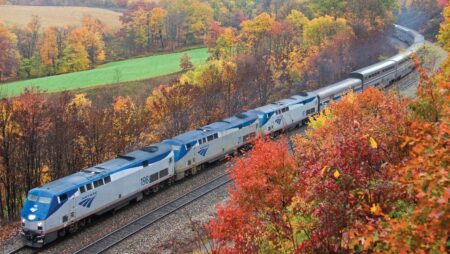
Ballot Issue 7A in Colorado, which will establish a 0.333% sales tax in the “Front Range Passenger Rail District,” passed with more than 55% of the vote.
Expected to raise about $295 million a year, the funds from this initiative will be used to build the southern portion of the Colorado Connector, or CoCo, between Fort Collins and Pueblo.
CoCo is a daily regional train that would connect the cities and serve towns and neighborhoods along its route.
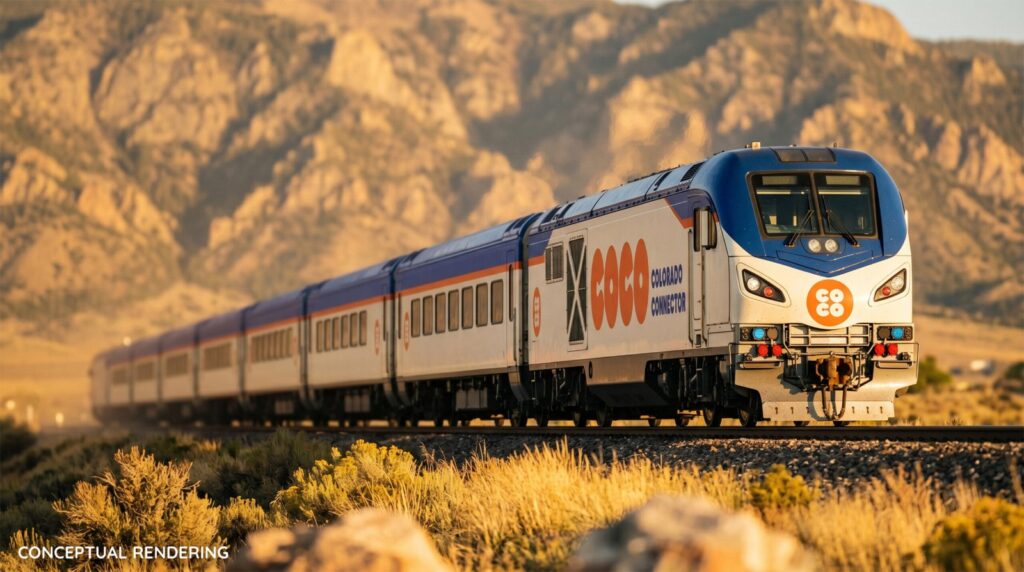
Service between Fort Collins and Denver was previously announced and is expected to begin in 2029 with three daily routes, according to the Colorado Springs Gazette. The passage of 7A will help extend the route south of Denver to Pueblo, with service expected to begin by 2032.
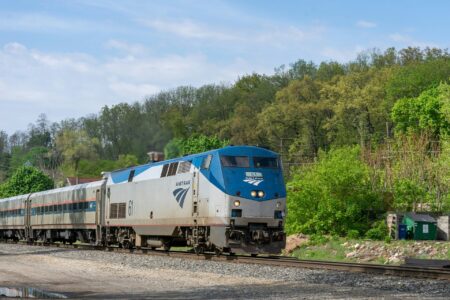
The tax would also pay for a new station in the community of Trinidad along Amtrak‘s Southwest Chief route, which connects Los Angeles to Chicago.
Supporters declared victory Tuesday night, Colorado Public Radio reported. “For too long, Coloradans have demanded a real answer to I-25 traffic,” district general manager Sal Pace said in a statement quoted by Trains.com.
The Front Range Passenger Rail District includes Denver, Englewood, Boulder, Colorado Springs and Fort Collins, among other communities. Ballots were mistakenly sent out to about 800,000 voters who live outside the district, but election officials said those ballots wouldn’t be included in the overall tally.
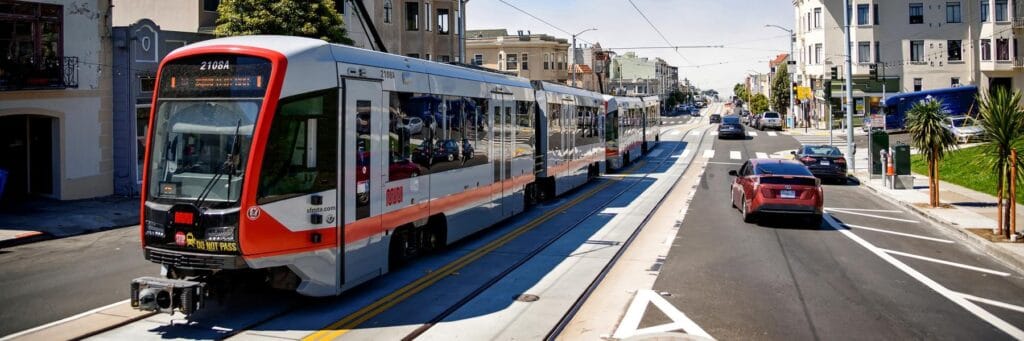
In the Bay Area, a rescue plan to inject funds into Bay Area Rapid Transit passed with more than 60% of the vote across five counties.
Regional Measure RTM establishes a 14-year sales tax to help fund BART. Purchases in Alameda, Contra Costa, San Mateo and Santa Clara counties will carry a new half-cent sales tax, while the rate in San Francisco will be a full cent.
The tax is expected to raise about $980 million per year for BART, Muni, Caltrain, AC Transit and other transportation agencies in the Bay Area.
The passage comes at a crucial time for BART, which was in dire straits and warned of potential closures of up to 15 stations. Caltrain warned it would have to reduce its weekday service to hourly departures.

“There is no doubt: the Bay Area believes in public transit,” Connect Bay Area spokesperson Jeff Cretan told Mass Transit.
San Francisco voters also approved Proposition H, a parcel tax for Muni, with about 72% of the vote.
Other West Coast wins for transit ballot measures
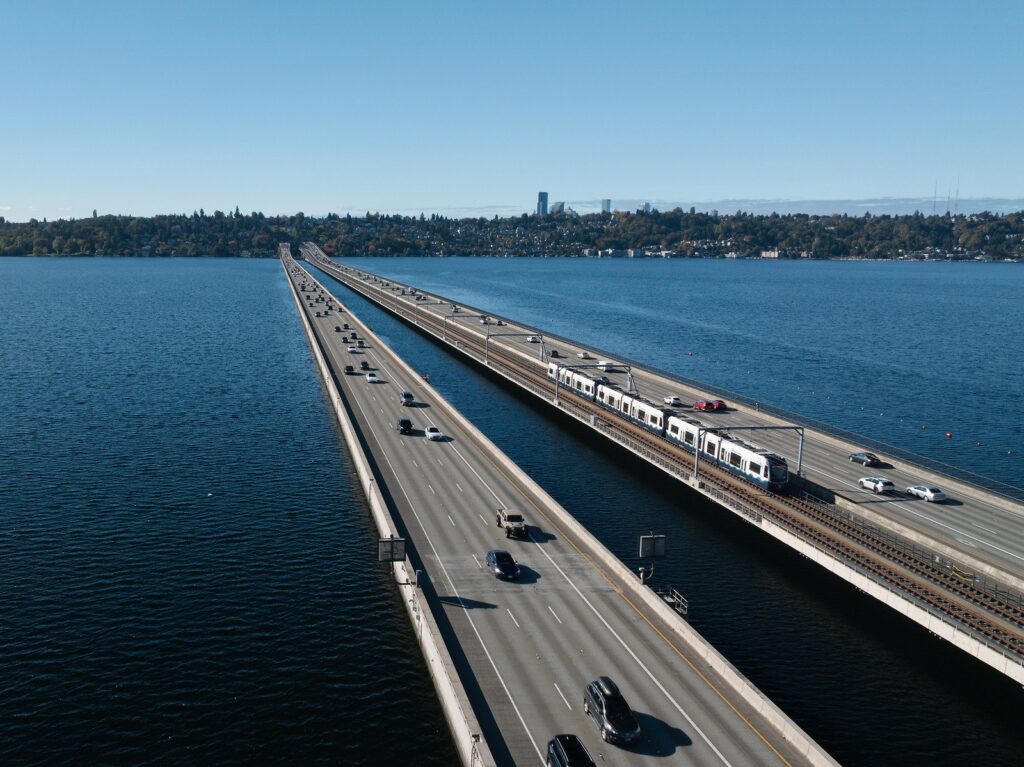
In Seattle, Proposition 1, which doubles the city’s transit sales tax to 0.3%, was winning with more than 72% of the vote on election night, Axios Seattle reported. Money raised from the tax would be used to cover bus and streetcar operations as well as expansion of the Sound Transit system.
South of Seattle in Pierce County, Washington, Pierce Transit’s Proposition 1 was leading with about 58% of the vote as of late Tuesday night. The initiative would raise Pierce Transit’s sales tax from 0.6% to 0.9%.
Officials said it’s the first time the agency has advocated for a tax increase since 2002, and funds raised will be used to pay for roughly 47% more bus service, including connections to Sound Transit’s new light rail stations, according to the Transportation Choices Coalition.
San Bernardino County voters in California extended a half-cent sales tax with nearly 70% of the vote. A quarter of the revenue from the county’s Valley region goes to rail and other transit projects.
Fellow Inland Empire voters in Riverside County voted to renew the county’s Measure A sales tax to fund highways, local roads and public transit.
In other parts of the country, transit advocates picked up a handful of important victories.
In Arlington County, Virginia, voters approved $70 million in transportation bonds that include Metro funding, with 81.7% in favor.
In Stark County, Ohio, the majority of voters chose to renew a sales tax that funds the Stark Area Regional Transit Authority.
Charleston County, South Carolina, approved a $4.25 billion transportation sales tax with 63.9% of the vote, WCBD reported. The win came two years after county voters rejected a similar tax. The plan sets aside $858 million for public transit, including the region’s bus rapid transit line, according to the Charleston Metro Chamber.
Pro-transit candidates and a new Congress
The wins reached up the ballot, too, with Democrats taking back control of both the House and Senate. That means the House transportation committee will be chaired by a Democrat.
Rep. Rick Larsen (D-Washington), the top Democrat on the House Transportation and Infrastructure Committee, launched his bid for chair on Wednesday, Politico reported. Before the election, Larsen promised to push for more money in a transit funding bill if Democrats took the House.
The Republican-led committee advanced a $580 billion, five-year surface transportation bill in May, but Sen. Ed Markey (D-Massachusetts), who also won re-election, has said Democrats should start the bill over from scratch.
In New York, Gov. Kathy Hochul defeated Republican Bruce Blakeman, who had promised to cancel Manhattan’s congestion pricing tolls. In the Hudson Valley, Rep. Mike Lawler, a congestion pricing opponent, appeared to have lost to Democrat Cait Conley.
Pennsylvania Gov. Josh Shapiro won re-election and Democrats also flipped the state Senate. Shapiro has promised a new funding stream for mass transit after two years of fights over SEPTA’s budget, the Philadelphia Inquirer reported.
In northeastern Pennsylvania, Scranton Mayor Paige Cognetti unseated Rep. Rob Bresnahan, the AP projected. Cognetti has advocated for restored Amtrak service between Scranton and New York City.
In San Francisco, state Sen. Scott Wiener, who co-wrote SB 63, the law that authorized the Bay Area transit measure, was leading in his race to take over Nancy Pelosi’s House seat.
Providence Mayor-elect David Morales ran on free RIPTA bus passes for public school students, according to Streetsblog MASS. In New York City, voters passed Proposition 3, which Streetsblog NYC described as a pro-bike-lane measure.
Not a clean sweep
Transit didn’t win everywhere.
Fresno County’s Measure S would have created a 30-year half-cent sales tax to pay for streets and street repairs, buses, bike lanes and safety improvements, as well as free transit for seniors, veterans, students and people with disabilities. It was expected to raise $113 million annually, but appeared doomed to fail.
Greenville County, South Carolina, voted down a penny sales tax for roads, green space and Greenlink transit for the second time in two years, with 51.5% voting no, the Greenville Journal reported.
In Arizona, Tempe’s Proposition 424 appeared headed for defeat, according to Trains.com. The measure included money for transit and possibly a streetcar extension.
The Los Angeles mayor’s race was still too close to call into early Wednesday morning. Councilmember Nithya Raman, who was endorsed by Streets For All, led Mayor Karen Bass 51.1% to 48.9% early Wednesday, with about 63% of the expected vote counted. Bass surged out to a 10,000-vote lead after polls closed, driven by early voting and early mail-in ballots. But that margin shrank with each subsequent vote drop, eventually leading to Raman overtaking the current mayor just after midnight.
Raman appears poised to unseat Bass, which would give her a powerful seat on the LA Metro Board. She has previously announced plans to restore late-night rail service on LA Metro and to investigate the oft-delayed and significantly over-budget LAX Automated People Mover.

The next major vote count update in Los Angeles County was expected to take place around 4 p.m. local time on Wednesday.
The American Public Transportation Association counted 22 transit ballot measures on ballots nationwide. Transit questions appeared on ballots in 11 states, and transit ballot measures had already passed at an 89% rate in primary and special elections earlier this year, according to Mass Transit.
It’s important to note that many of these results have not been officially called, and several races are still being counted. Check with your county elections office or your secretary of state’s website for the latest results.
For more stories like this, follow Rail and Runway on Instagram and Facebook.