

Canada’s capital is considering a new method of transportation to connect the city to a nearby national park — an Ottawa gondola.
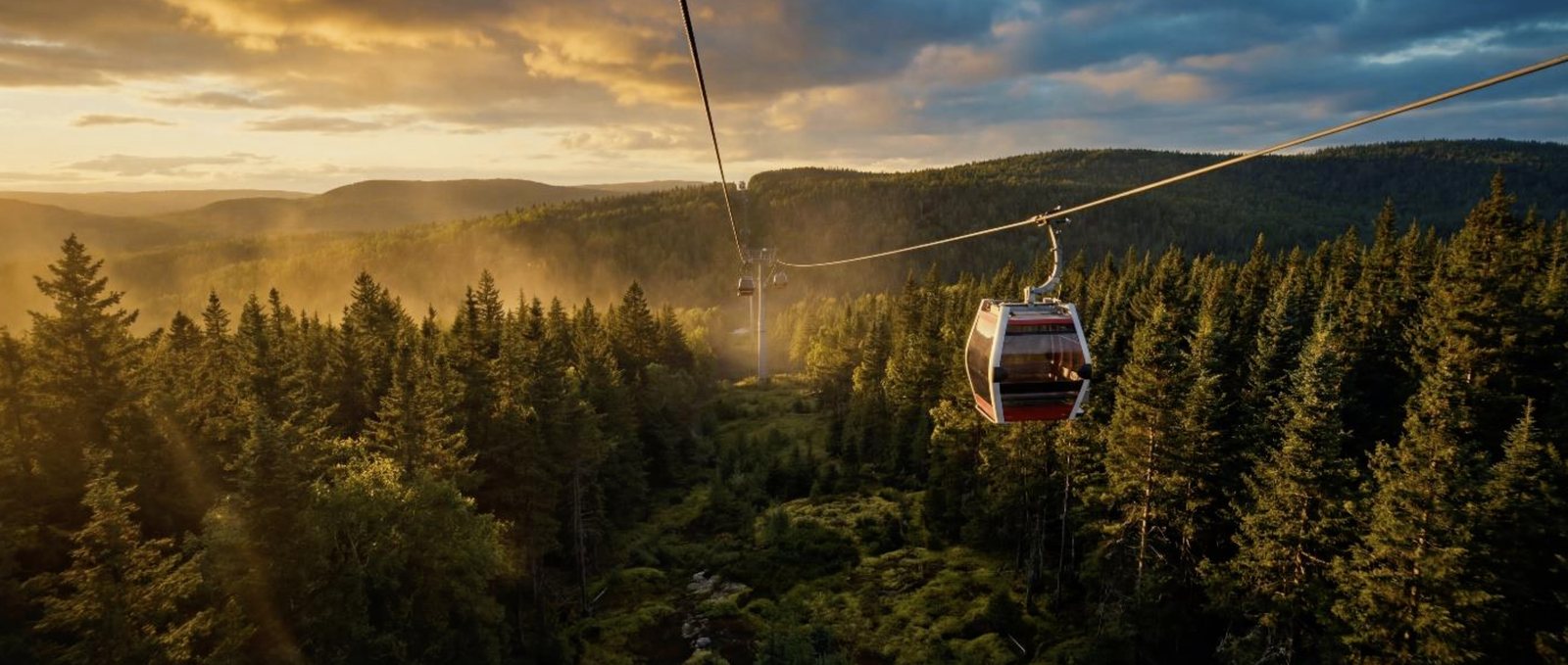
The National Capital Commission in Ottawa is exploring the idea of constructing an aerial gondola system stretching more than 17 kilometers (about 10.5 miles) that would put commuters and skiers in the sky, connecting downtown Ottawa to a ski hill at Gatineau Park.
The system would run from Ottawa’s Bayview O-Train station to Camp Fortune in Chelsea, Quebec, with six stops along the way, according to CTV News Ottawa.
The idea is in its early stages; the agency hasn’t committed to building anything yet.
But the proposal came about when the government put out a request for proposals to study the feasibility of building a gondola system. The request was published on the industry site LiftBlog, and was later confirmed as authentic by an NCC spokesperson.
The official government bid document asks a consultant to determine whether the Ottawa gondola could be financially viable and if it could potentially attract investment from the private sector.
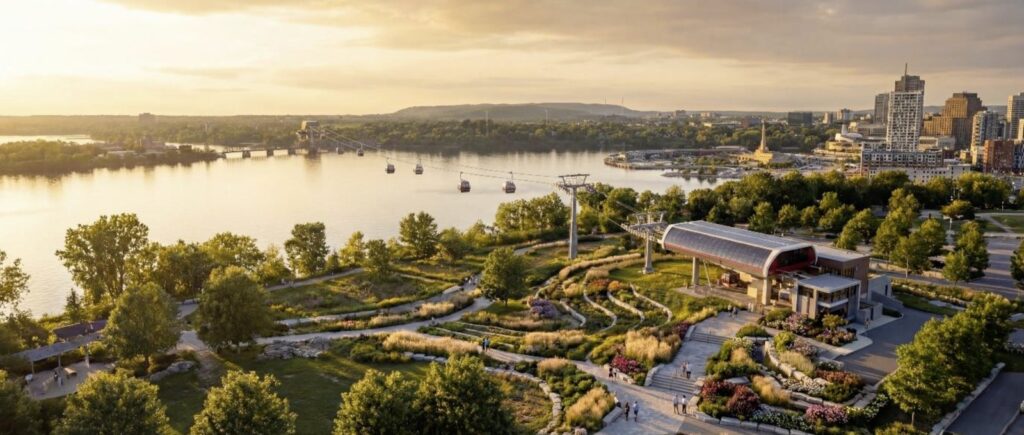
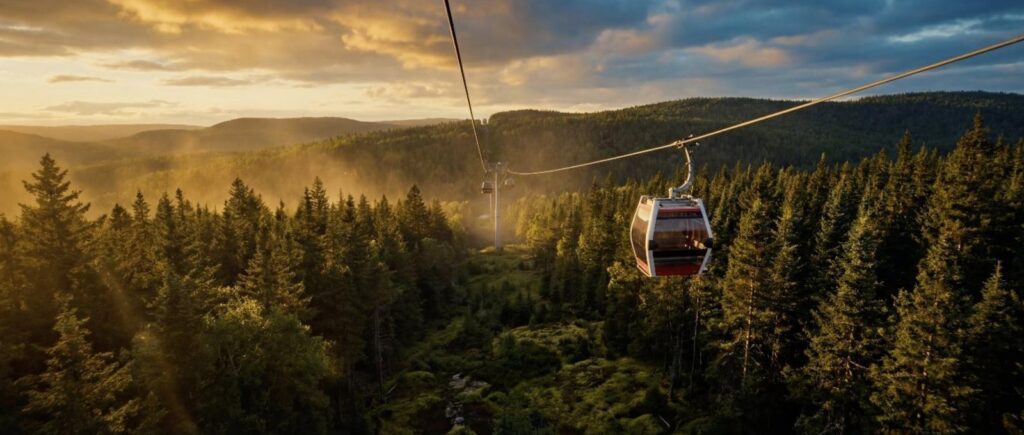
Ottawa’s proposed gondola would be a 35-minute ride
The Ottawa gondola system that the NCC envisions starts at Bayview station at the edge of the city’s downtown where a large redevelopment plan is currently in the works.
Traveling at speeds of about 30 km/h (roughly 18.6 mph), 23 gondola cabins would travel along the route with an end-to-end travel time of about 35 minutes. Each cabin would be capable of carrying about 30 passengers, with one arriving at a station every three minutes, CBC reports.
Read More: Austin starts planning airport light rail as a blue wave reshapes Texas
The time it takes to drive between the two ends of the route can be anywhere from 25 to 40 minutes, CBC says, which means the aerial option is competitive with, and could outperform, driving.
In addition to downtown on one end and the ski hill in Gatineau Park on the other, the route would provide service to two universities, a hospital, a park-and-ride lot and the Gatineau Park Visitor Centre.
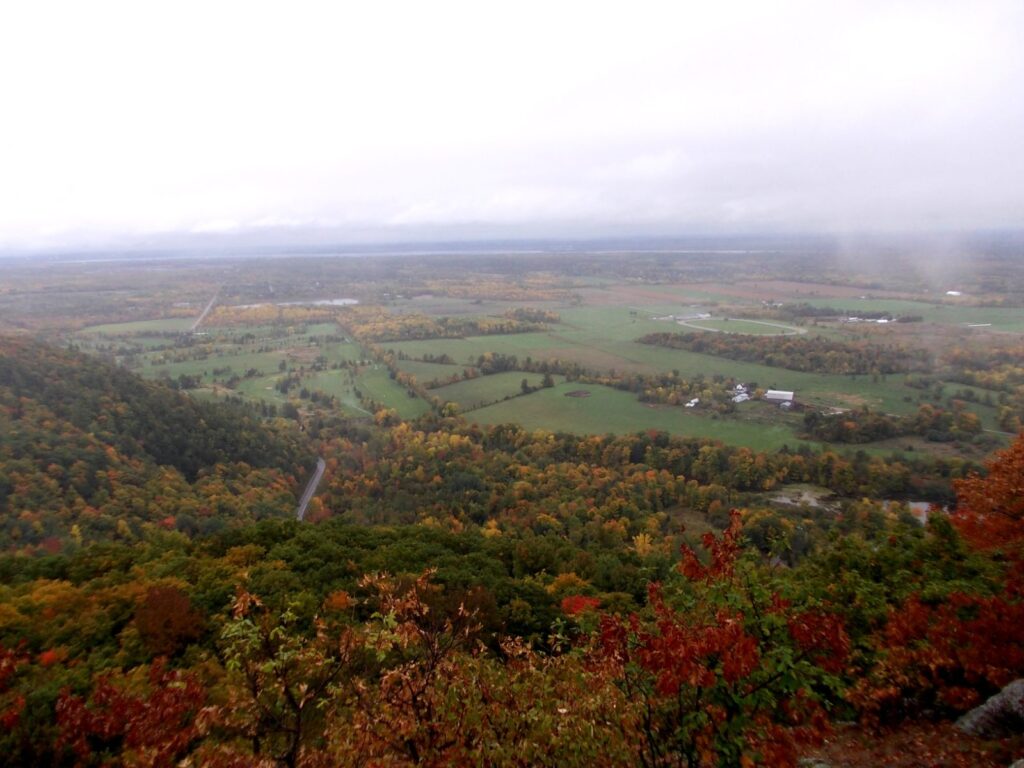
If the project were to become reality, the National Capital Commission says the project could carry between 8,400 and 10,000 riders on a typical weekday, according to local cycling news blog Hans on the Bike.
Who would pay for the Ottawa gondola?
The NCC is attempting to sell the Ottawa gondola project as a public-private partnership, in which a private partner would build and operate the system on land leased from the commission. Agreements would be put in place to split revenue and the project is supposed to connect to local transit in the region.
Read More: Transit and rail are big winners after Election Day
As of now, there’s no estimate for how much the project would cost, which is why the study is being requested. A selected consultant would review the route, estimate potential costs and potential revenues, and report back with their findings.
It’s a first step in a project that would no doubt take several years, if not decades, to complete.
But, if the commission has its way and the aerial system is built, it could create easier access to the national park, make it easier to connect with transit systems throughout the Ottawa area, and offer a new, low-emission mode of travel.
Gondolas are also cool and look great on a postcard.
What cities are building gondolas?
Whatever Ottawa and the Commission find out, there’s almost certainly going to be some objections to the project, as Los Angeles residents know.
A proposed aerial gondola system to connect Los Angeles Union Station in downtown L.A. with Dodger Stadium on the hill at Chavez Ravine has received major backlash and protest from local residents.
Read More: LA Metro breaks ground on its San Fernando Valley light rail line
Concerns raised include the removal of trees at a nearby state park, privacy concerns with an aerial vehicle zooming over homes, and objections to the gondola’s main proponent: billionaire business magnate and former Los Angeles Dodgers owner Frank McCourt.
Despite a draft environmental report being adopted, modified, and adopted again by LA Metro, the project remains in a holding pattern in large part due to objections from local activist groups, environmentalists and the Los Angeles City Council. Next month, the California State Park and Recreation Commission will vote whether or not to provide space for the gondola to be built on State Park property.
Read More: LAX People Mover dealt another blow as rating agency warns of default
Two other cities in Southern California, Irvine and Anaheim in Orange County, are also exploring their own gondola systems to connect economic and community hubs with local transit.
The Anaheim project would connect the city’s main transit hub with Disneyland Resort via Katella Avenue. In Irvine, the project would establish a gondola route through the sprawling Great Park, 500 acres of land being redeveloped into Orange County’s green space centerpiece.
Both projects are tied to a transit startup called Swyft Cities. The Irvine gondola project has been pushed back to a distant priority after residents raised concerns about the startup’s readiness and viability to create the large aerial transit system.
Across North America, some gondola projects that don’t cut through a busy city center have had better luck getting off the ground.
Earlier this year, the 1.2-mile Mighty Argo Cable Car debuted in Idaho Springs, Colorado. Deer Valley Resort in Park City, Utah, held a ribbon-cutting for its new aerial tramway system in February 2026.
Grouse Mountain in North Vancouver, British Columbia, opened its Blue Grouse Gondola back in December 2024.
The largest urban gondola construction boom in the world is taking place right now across large swaths of Mexico, with multiple new lines being built in Mexico City, Morelia and Puebla.
For more stories like this, follow Rail and Runway on Instagram and Facebook.