


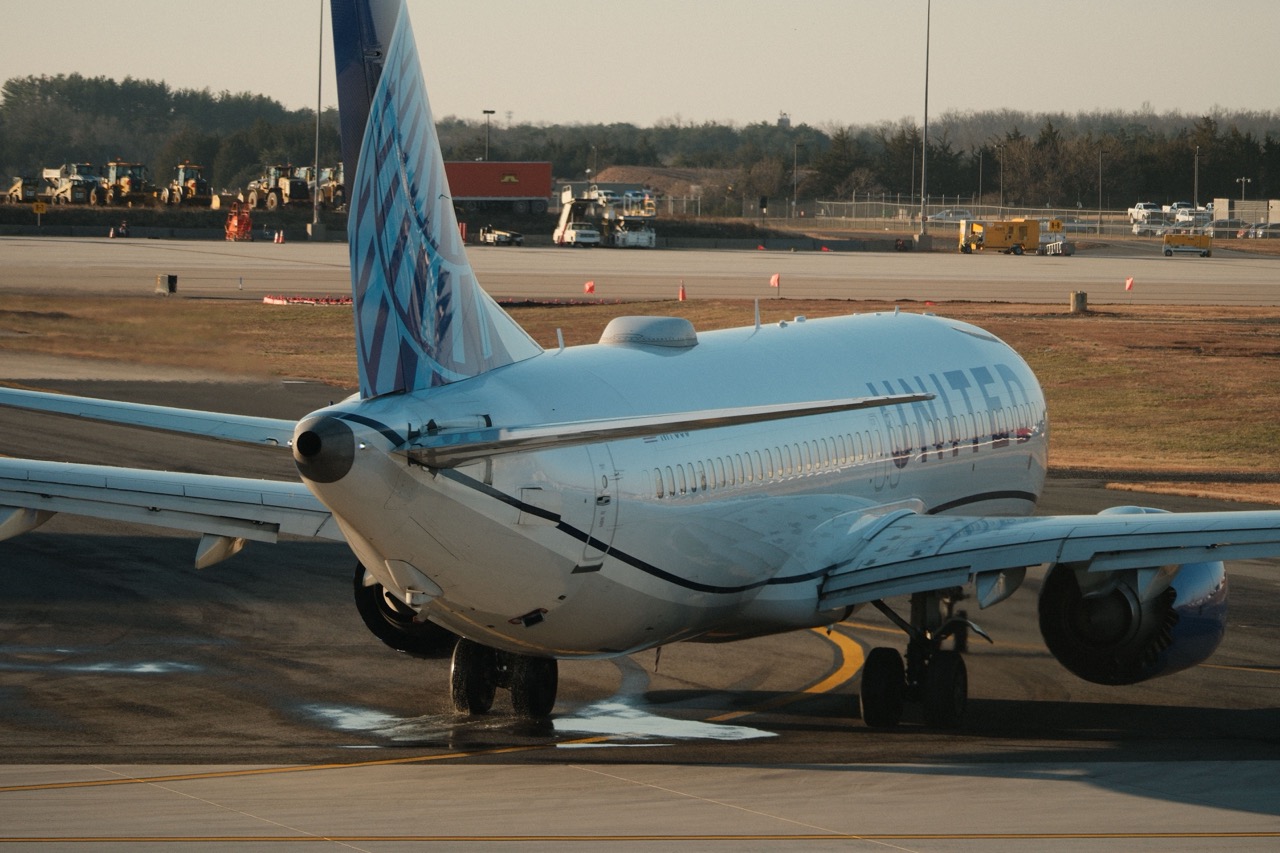

United Airlines has updated its passenger contract terms to prohibit the use of “unauthorized, third-party personal AI agents or assistants” when buying tickets and modifying existing reservations.
United says the action is being done to protect customer data and accounts.
View this post on Instagram
On Wednesday, the airline modified its “contract of carriage,” the legal agreement between passengers and the airline, to restrict the use of AI assistants, which it says should not have access to account credentials,
“AI assistants can expose sensitive information, and actions taken by these tools may result in unintended purchases, account changes, or use of MileagePlus miles,” the writes in a press release.
The airline says the ban will be in place on its website and app, as well as indirectly through aggregation sites or travel agencies.
Read More: 2 commercial jets have near-miss at Los Angeles airport
In addition to the claim it was making the restriction due to concerns about passenger data, the airline says using agentic AI could, in theory, violate regulations put in place by the Federal Aviation Administration and the Department of Transportation.

“As an example, flight check-in requires human acknowledgment that bags do not contain banned substances like explosives,” United officials said.
The airline says it is following the lead of many companies in banking and retail industries, and said it was encouraging “others” to consider similar measures.
“As personal AI assistants evolve, United will continue to evaluate how these tools interact with our services, with a focus on protecting our customers,” the press release concludes.
Why is United Airlines banning AI agents?
United specifically defines an “AI Agent” as any AI-powered software that can make “autonomous or semi-autonomous action” actions, including searching or discovering tickets, reserving and purchasing flights, selecting seats or making additional purchases on behalf of the human customer.
Ben Schlappig of One Mile at a Time isn’t fully buying the corporate explanation laid out by United under the guise of consumer data protection.
“I suspect United’s real motive here is that it doesn’t want AI automatically being able to track and reprice flights (and then issue vouchers for passengers), or being able to too closely compare overall value on different airlines,” Schlappig writes. “For that matter, it probably just doesn’t want a third party getting that much data on the airline, not to mention that all of this can take a considerable toll on servers, if this scales.”
Read More: Small airplane flipped by jet blast from commercial flight
The specific language in the updated contract of carriage specifically states that AI can’t be used to “discover” or “search” for United products.
As Schlappig points out, that language is pretty broad. What does searching for or discovering United products or services mean, exactly?
“[That] would include all award search tools (along with all kinds of other businesses), no? Is that actually the intent here, or does United just plan to selectively enforce rules?,” he posits.
If United, or any airline for that matter, is going ban AI agents from making purchases or modifying travel plans, does that mean we, as consumers, can opt out of having to talk to United’s AI customer service agents?
It seems only fair.
Click here to read United Airlines’ full press release regarding the banning of consumer AI agents
United Restricts Access for Third-Party AI Agents
Protecting our customers’ data and accounts is a priority for United.
That’s why we designed our industry-leading, award-winning United app to securely empower customers to manage their own travel experience – everything from booking a trip and choosing seats to rescheduling a flight when the weather is bad and so much more.
On the other hand, sharing account credentials with personal, third-party, AI assistants can expose sensitive information, and actions taken by these tools may result in unintended purchases, account changes, or use of MileagePlus miles. Plus, these automated AI actions have the potential to violate FAA and DOT regulations – as an example, flight check-in requires human acknowledgment that bags do not contain banned substances like explosives.
As a result, United is taking steps to restrict access – directly within our digital platforms and indirectly via travel agencies and aggregators – to prohibit use by unauthorized, third-party personal AI agents or assistants. This work includes updates to our booking, ticketing and distribution policies.
Corporate leaders in the banking and retail industries have taken similar actions regarding AI agents and we encourage others to consider measures that preserve the data and security of their customers and strengthen safety.
We will also update our Digital Trust Center so customers can better understand what these new restrictions mean for them, how to protect their accounts, and where to get help if an agent takes an unintended action.
As personal AI assistants evolve, United will continue to evaluate how these tools interact with our services, with a focus on protecting our customers.
– November 11, 2026
For more stories like this, follow Rail and Runway on Instagram and Facebook.