
The “long-time coming” resignation of California High-Speed Rail CEO Ian Choudri understandably made international headlines last week, but Authority officials say it wasn’t the only big news regarding the project.
Hours after Choudri tendered his resignation, the California High-Speed Rail Authority Board gathered to approve two significant measures that marked major milestones in the beleaguered project’s history.
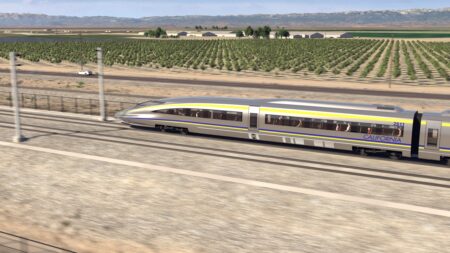
Siemens will build California’s bullet trains
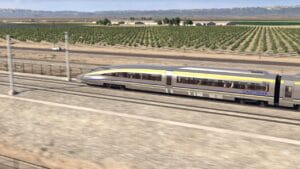
Notably, last Thursday, the California High-Speed Rail Authority finalized the long-awaited decision to procure high-speed trainsets from train manufacturer Siemens Mobility on a deal worth more than $800 million.
That highly anticipated contract comes more than two years after the Authority shortlisted Siemens and Alstom Transportation as potential partners on the project, a protracted decision that may have resulted in the Authority losing billions of dollars in grant funding from the federal government.
The loss of federal funding that was promised by the Biden Administration and then canceled by President Trump resulted in a pared-down order by the Authority, scaling back from six initial trainsets to three.

Still, despite the headache and reduction in the initial order, the finalization of that contract is a major step toward the project becoming a reality. Trains have been ordered, money has been committed, and a well-known and reputable manufacturer will begin designing and assembling the trainsets at its overseas facility.
“This Board action marks a historic step forward in building the nation’s first high-speed rail system,” a statement from California Transportation Secretary Toks Omishakin reads. “With this approval, the Authority has selected the trainsets that will carry passengers by 2033. This decision keeps the project on course to deliver clean, safe, reliable high-speed rail service for California.”
As Authority officials have said in years past, the project is beyond the point of no return, and aside from actual rail lines scheduled to be laid in the coming months, the trains represent the most concrete evidence of an actual transit system—a system that can whisk riders at speeds of 220 mph between San Francisco and Los Angeles (and beyond).
California High-Speed Rail full environmental approval
Last week’s board meeting also delivered the missing puzzle piece: full environmental approval of the project’s Phase 1.
The Board approved the environmental document for the last outstanding segment of the project’s Phase 1—the 33 miles between Los Angeles Union Station and ARTIC, the Anaheim Regional Transportation Intermodal Center.
That final approval means all 494 miles of California High-Speed Rail’s Phase 1 now have full environmental clearance.
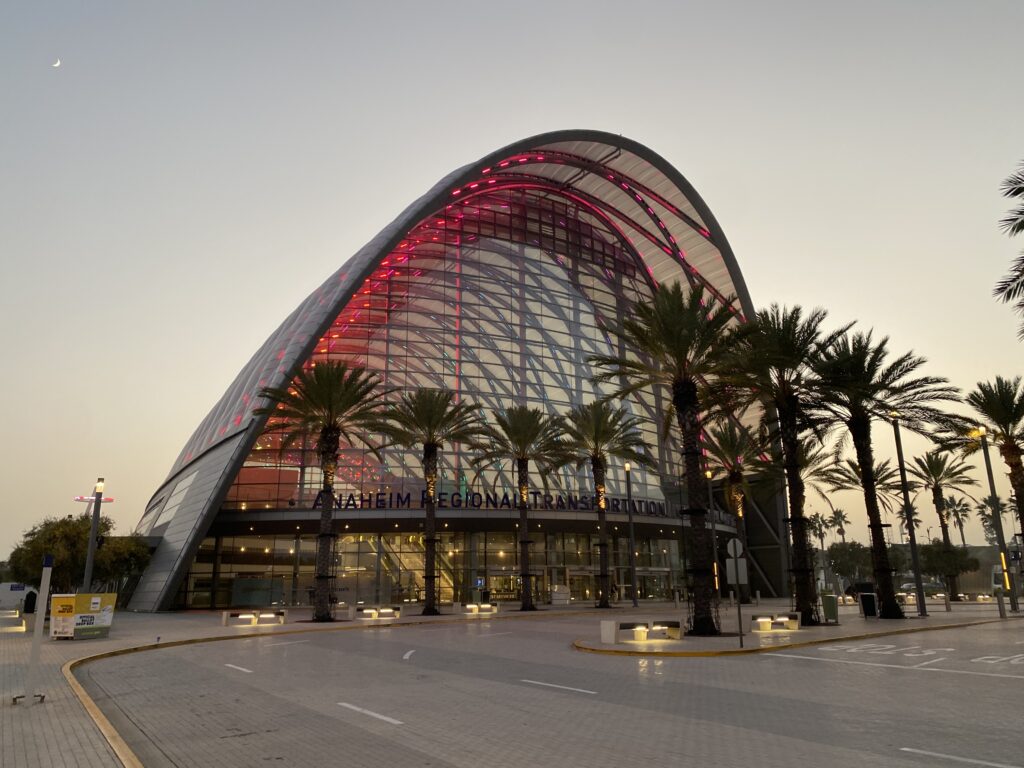
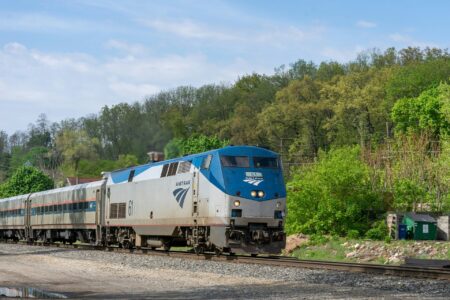
As I previously reported way back in 2023, the Los Angeles to Anaheim section of the route includes the construction of a fourth rail line between the two Southern California cities to allow commuter rail and freight companies to each have their own dedicated sets of tracks rather than share and coordinate through the busy metropolitan section.
State officials say the eventual completion of Phase 1 through Orange County will be “transformational” for both of those often-competing rail industries.
“[This] approval is a major milestone for the Authority,” said LaDonna DiCamillo, Southern California Regional Director at California High-Speed Rail Authority. “It’s also transformational for Los Angeles and Orange counties, where we will streamline transportation for freight and passenger lines alike.”
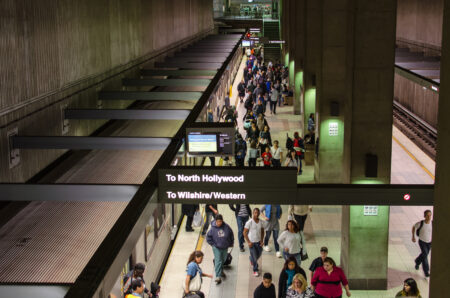
Read More: L.A. mayoral candidate unveils plans for late-night Metro service
These two milestones act as a sort of final chapter in the current iteration of the project. The tedium of environmental review, poring over contract details and sales pitches from manufacturers is now in the rearview.
And now comes the real challenge: getting it built.
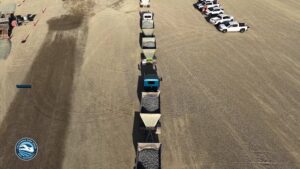
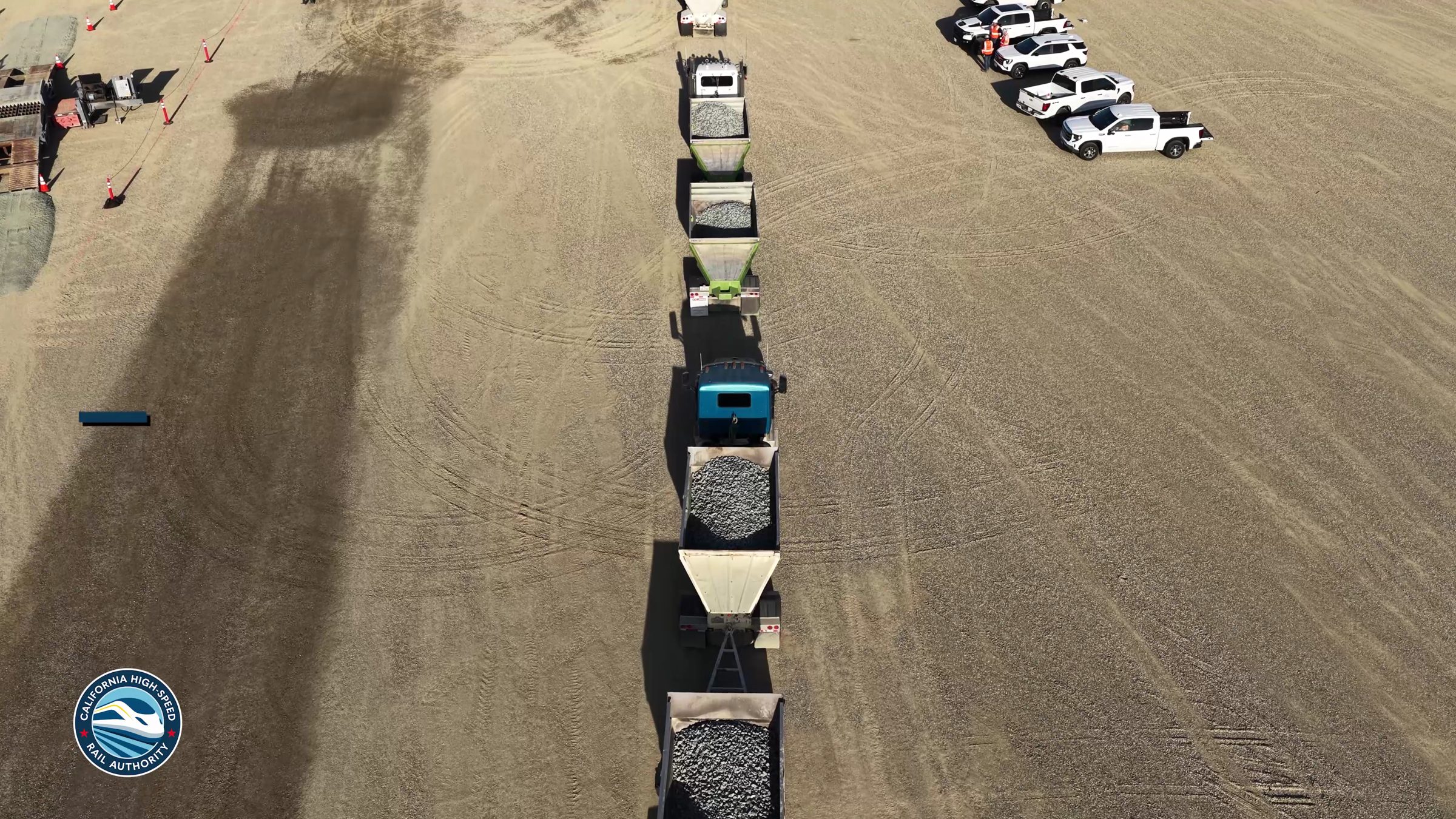
California High-Speed Rail has already completed 70 major structures in the Central Valley, and 22 more are in progress. Construction crews are already stockpiling materials and will begin laying thousands of tons of rock along the system route in the coming weeks before the first miles of long welded rail are put into place.
Beginning in the coming weeks, crews will begin laying 171 miles of track across Madera, Fresno, Kings and Tulare counties. It’ll be another major milestone for the project, which has begun racking up more wins than losses in recent years, despite turmoil at the executive level and little love lost from the federal government.

After tracks are laid, overhead wires will need to be installed, power and communications systems will need to be connected, stations and maintenance facilities will need to be built, and those long-awaited trainsets will need to be delivered and undergo months of testing.
But Omishakin reiterated that 2033 timeline for the initial operating segment in the Central Valley. Not anytime sooner, but thankfully not any later… yet.
And then there’s the issue with the tunnels, some of the largest train tunnels on the planet, which will need to be drilled through California mountain ranges in order to connect the system with the state’s economic centers. How exactly crews will handle that remains a bit unclear.
Despite Choudri’s somewhat unexpected departure, there is optimism about the project’s path ahead. California High-Speed Rail Authority officials believe the project is (just as they hope the Siemens trainsets will be in a few years) right on track.
Rail and Runway will continue monitoring the progress and milestones of California High-Speed Rail and bring updates as they happen. For watchdogs or infrastructure nerds, the Authority tracks the progress of ongoing construction online at BuildHSR.com.
For more stories like this, follow Rail and Runway on Instagram and Facebook.