
Los Angeles mayoral candidate Nithya Raman is continuing to hammer her pro-transit rhetoric on social media, now announcing plans to extend LA Metro service later into the evening if elected.
On Tuesday, Raman shared a post on social media with the playful Beastie Boys-inspired caption, “We gotta fight! For our city’s right! To party!”
As part of a multi-slide presentation, Raman addresses the issues plaguing L.A.’s nightlife scene, including the complicated process for small business permits, developing designated entertainment zones that close streets to cars so people can gather (and drink) together, and turning “underused spaces” into pop-ups, art installations and community events.
She also calls for the creation of a permanent “Nightlife Commission,” and a dedicated “nightlife czar” to oversee those city policy changes.
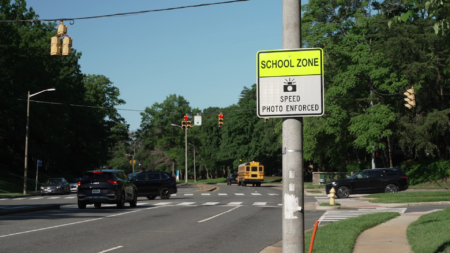
Read More: Los Angeles’ vast network of speed cameras is now up and running
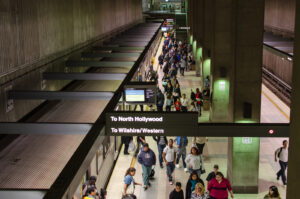
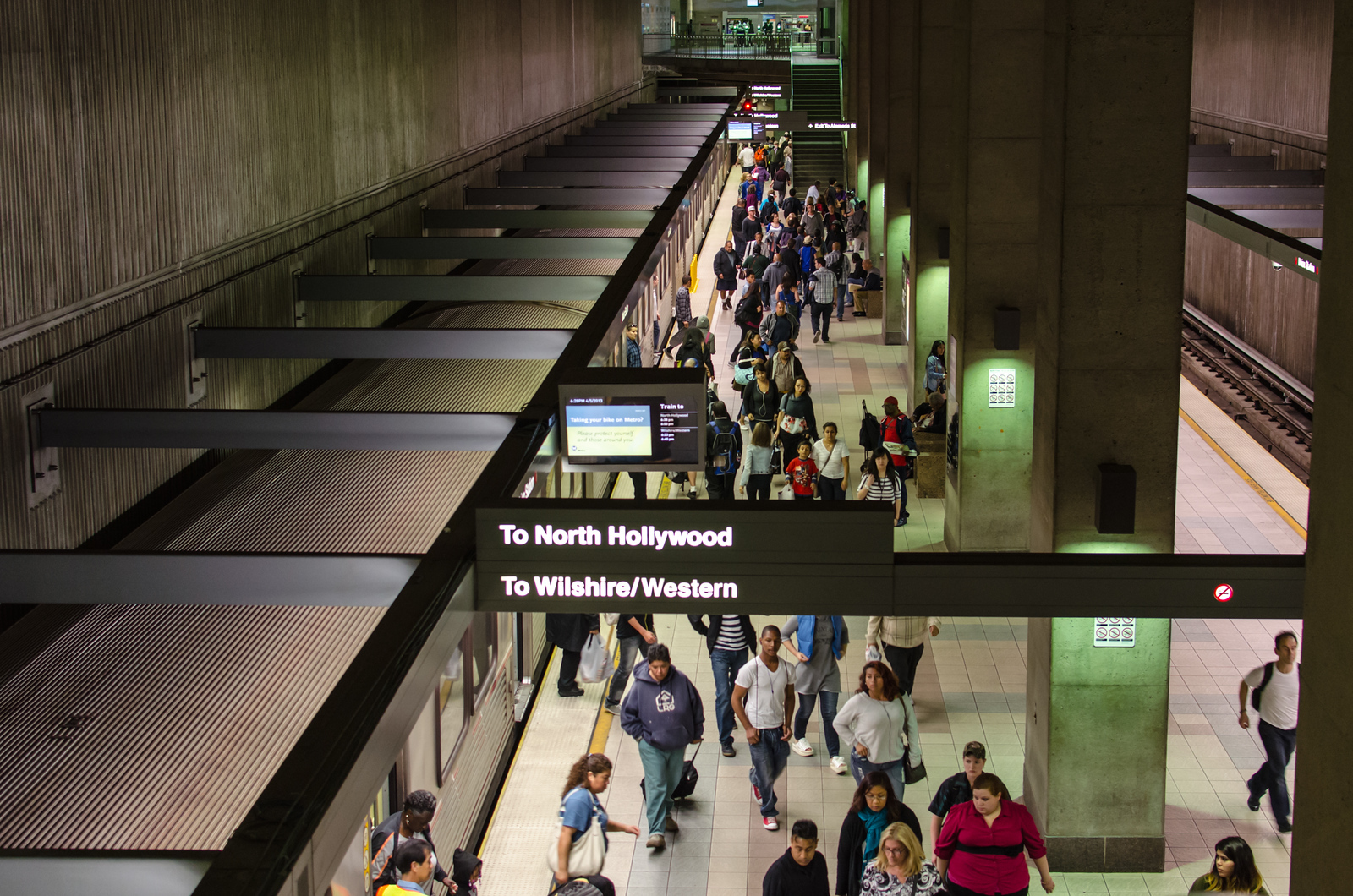
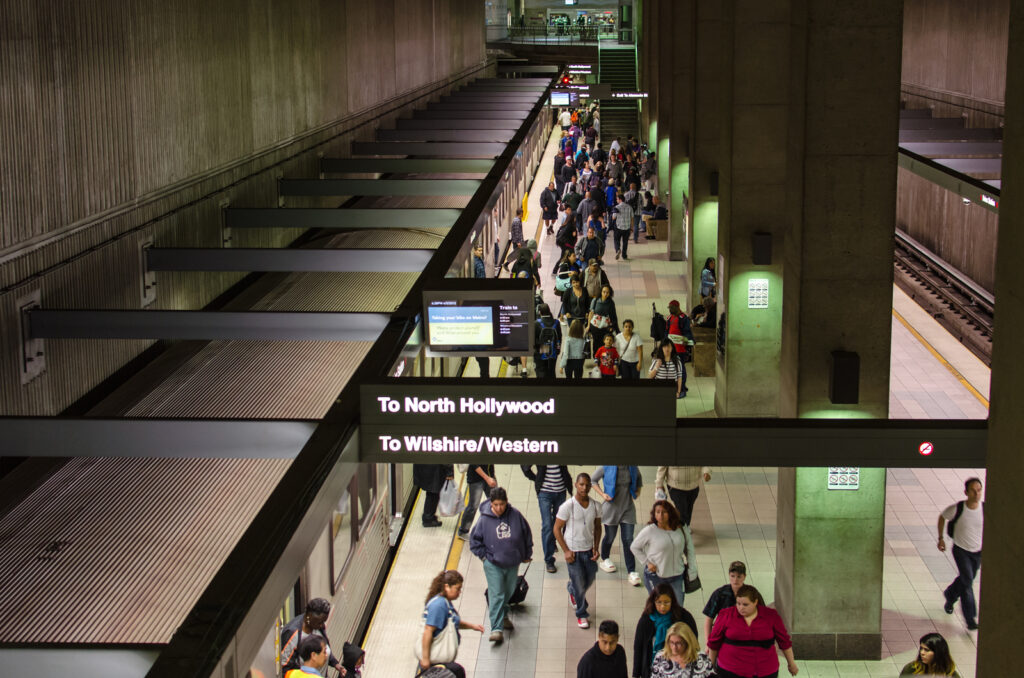
But the big news for transit heads: she’s also calling for late night service on LA Metro trains, which, for reasons that still don’t make much sense, currently end at midnight. That’s a whole two hours before last call at Los Angeles area bars and clubs.
“The ‘last train home’ shouldn’t leave before last call,” Raman’s campaign writes. “Having somewhere great to go doesn’t mean much if you can’t afford to go out or come back home.”
Raman says she will work with LA Metro to keep trains and buses running later on weekends and major event nights, deploy the Metro ambassador teams in major nightlife areas during late-night hours, and work to improve the first- and last-mile service that often deter people from taking public transit for their events.
Frankly, later service is long overdue.
LA Metro scaled back its late night rail service to end at midnight during the onset of the COVID-19 pandemic. Previously, trains ran until around 2 a.m. on Fridays and Saturdays.
Save for some occasional special events or holidays, trains have continued to operate on that COVID-era schedule.
- There is late night “OWL” bus service on some vital routes, but that service can be spotty and with low frequency
So, how could Raman actually accomplish this? Well, for starters, the way the LA Metro Board is set up, the Mayor of Los Angeles holds significant power over the ambitions and initiatives of LA Metro.
The Mayor is entitled to a seat at the board, and has authority to appoint three additional members. Currently, Bass sits on the board and is its chair.
If Raman were to oust the incumbent, she would immediately wield significant power over LA Metro, as well as the Los Angeles Department of Transportation.
Read More: LA Metro breaks ground on Vermont Bus Rapid Transit
While funding will always be a question, late night service could be a relatively easy program that could be done within her first few weeks at the helm. LA Metro already knows how to operate late service; it shouldn’t be that hard to start it back up (theoretically).
But that all hinges on whether or not Raman is actually standing at the lectern as mayor later this year.
While Raman appeared to have jumped out to an early lead in polling, that lead has shrunk, according to some recent polls. The race between Bass and Raman appears to be statistically even with less than a week before Election Day.
Raman and Bass have different priorities for LA Metro
The call for late night service highlights the distinct differences in approach for LA Metro between the two candidates.
Raman has made public transit a tentpole of her campaign, calling for improvements to transit infrastructure, rail frequency and better accountability. She made headlines in August when she called out Bass for a perceived lack of oversight of the beleaguered LAX People Mover project, which is several years behind schedule and more than $1 billion over budget.
Bass, for her part, has floated her own ideas about LA Metro, including promising an entirely fare-free system—a proposal that many transit enthusiasts believe will be detrimental to the growing momentum that the already subsidized LA Metro system has enjoyed in recent years. She continued to tout that free-fare policy as recently as Tuesday.

Bass also downplayed the problems plaguing the People Mover earlier this week, telling KNX News that she is confident it will be operational by January, citing the risk of financial pressure if the project’s contractor misses another in a growing list of missed deadlines.
I’ve discussed the intricacies of the People Mover contract ad nauseam, so I’ll keep it brief. Yes, there is language in lending documents that points to specific dates that LINXS, the project contractor, is supposed to meet. But LINXS has successfully requested extension after extension, ultimately approved by the City of Los Angeles and Los Angeles World Airports.
A deadline isn’t a deadline if it’s immaterial.
Bass and Raman offer different priorities and hopes for the future of Los Angeles, transit being one of the big ways those ideas diverge.
While Bass has decades of experience navigating the complex intricacies of local, state and federal bureaucracy, Raman offers more of a ground-level optimist approach to city building, formed by her education in urban planning from MIT.
Bass believes her opponent is in over her head. Raman thinks her opponent has lost touch with today’s Angelenos.
“Nightlife touches planning, transportation, policing, permitting, economic development, sanitation, and more,” Raman’s nightlife-focused post reads. “But we don’t have anybody at City Hall who wakes up every morning thinking about what happens after dark.”
Voters will ultimately decide which way the city is headed in just a few days. Election Day takes place on Tuesday, Nov. 3.
For more stories like this, follow Rail and Runway on Instagram and Facebook.