

The California High-Speed Rail Authority appears to have selected the manufacturer to build and deliver its first high-speed trains for the long-delayed bullet train system.
The CAHSR board of directors is set to vote next week to award the contract to Siemens Mobility, one of two prominent train manufacturers shortlisted by the Authority more than two years ago.
The board will meet next Wednesday, Oct. 28, to approve the deal, which includes ordering three high-speed trainsets, spare parts and 10 years of ongoing service and maintenance from Siemens.
According to a CAHSR presentation posted online, the contract is worth about $772 million in total.
Of that, about $206.3 million has been designated for testing, price escalation, foreign exchange, taxes and other items, and more than $63 million has been set aside for import duties and tariffs, which drive the price to roughly $836 million.
What kind of trains will California High-Speed Rail have?
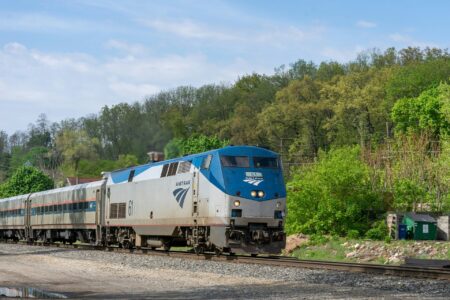
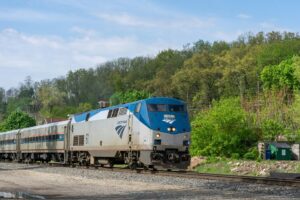
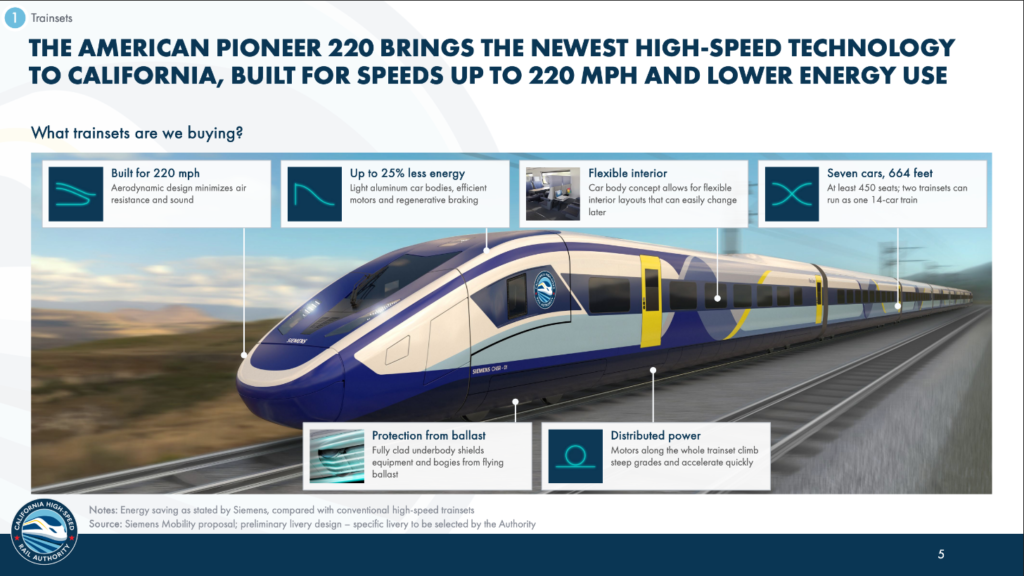
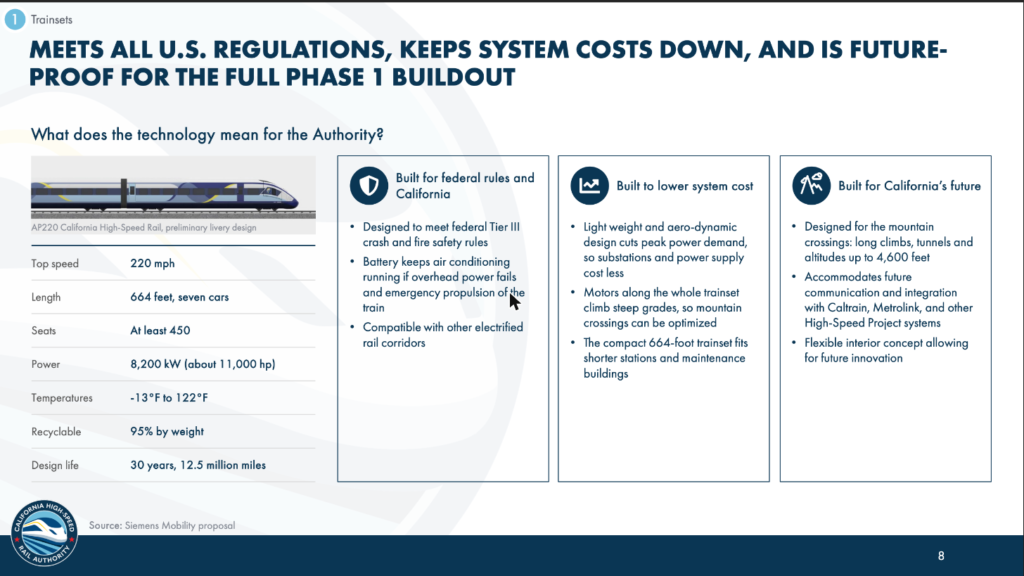
By choosing to move forward with Siemens, the California High-Speed Rail Authority plans to purchase three American Pioneer 220 trains. According to the presentation documents, the trains are the newest U.S.-specific version of Siemens’ Velaro Novo platform.
The trains are 664 feet long and seat at least 450 people across seven traincars. Each train is designed to reach speeds of 220 mph.
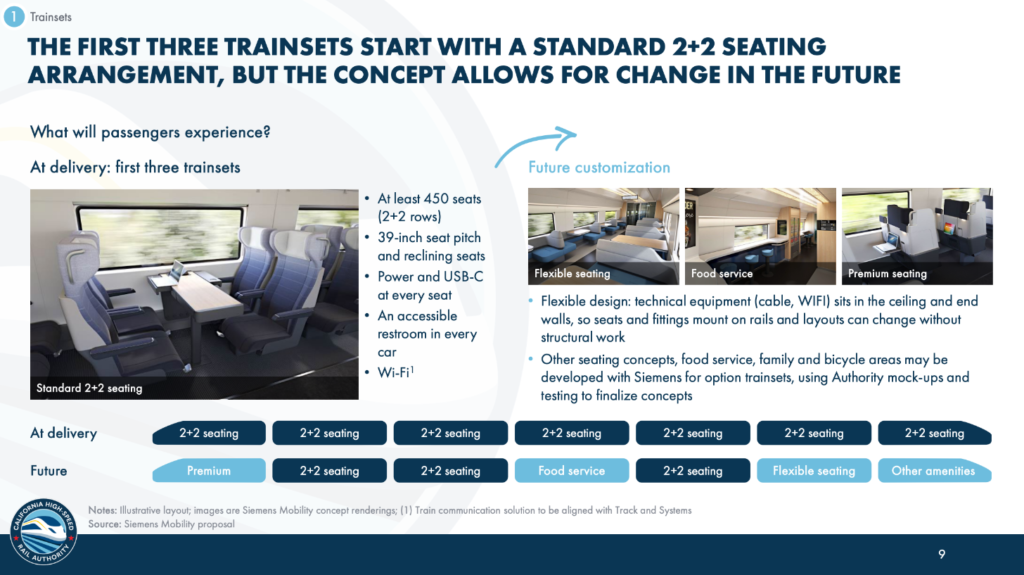
The Authority previously announced that the interiors of whichever train it ultimately selected would have standard two-by-two seating with reclining seats, power and USB outlets at every seat, wireless internet and an accessible restroom in every car.
Two trainsets can also be coupled together to create a single 14-car train, the documents show.
Why only three trains?
If you’ve been following along with the saga of the California bullet train, you might be surprised to see that the Authority plans to order only three trains instead of six, as previously promoted in its 2024 request for proposals.
Plans have apparently changed since the original request for proposals went out to manufacturers, largely because a significant chunk of funding previously promised by the Biden Administration was predictably pulled by his successor.
The Authority has since revised the plans, cutting the initial order to three trains and dropping the previously stipulated “Buy America” requirements put in place by the Feds, according to trade publication Railway Supply.
Officials say the smaller order is better suited for the initial operating segment of the high-speed rail system between Merced and Bakersfield, and allows for room to expand the order at prices that have already been locked in.
The 2024 request for proposals also called for 30 years of maintenance instead of 10, although this does provide Siemens with options to continue maintaining the trains through 2060.
If and when the contract is approved, Siemens would build the trains and conduct initial testing at its facilities in Germany. Testing can’t begin in the Central Valley for several more years (no tracks), but the presentation notes that the trains will be tested in California in Spring 2030, a few years before the initial operating segment is tentatively planned to begin operations.
Siemens is also building a large manufacturing facility in Horseheads, New York, which it will use to build the same trainsets chosen by the California High-Speed Rail Authority. But Siemens will instead be using that facility initially to build matching trainsets for the Southern California to Las Vegas bullet train: Brightline West.
I wouldn’t be surprised if additional train orders for CAHSR originated out of that New York facility in the future.
Read More: What the Brightline bankruptcy means for current riders, Vegas plans
Selecting a train manufacturer is a significant milestone for the project, but the time it took to decide on one is something that has drawn criticism from industry watchdogs.
Reporting from earlier this year indicates that the Authority missed previous deadlines to select a builder, and that was partly to blame for the federal government pulling its support—decide for yourself if you believe that, but the Authority has called it politically motivated.

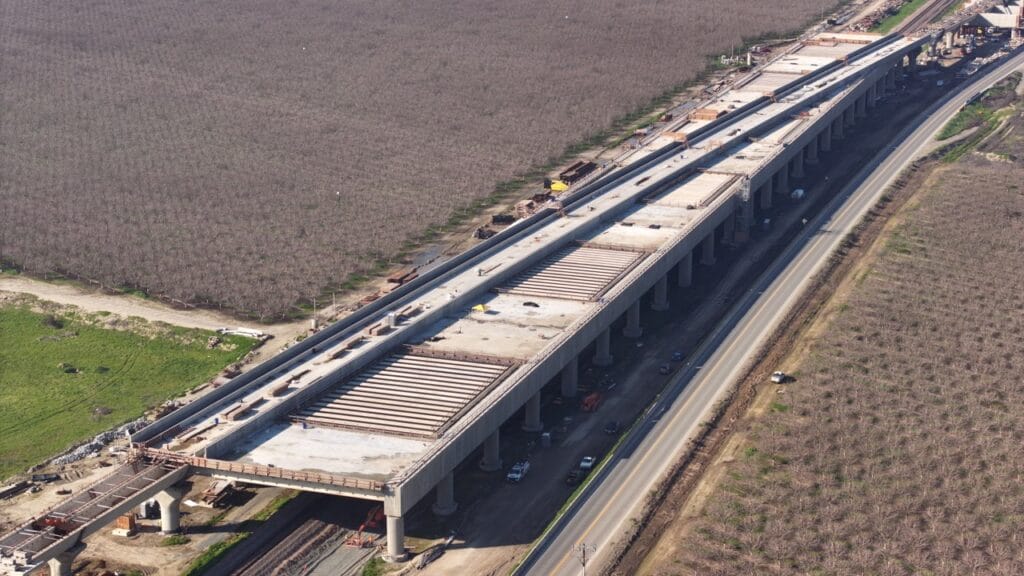
In the meantime, construction keeps chugging along in the Central Valley. For the past several years, about 119 miles of the line have been under active construction with more than 60 structures built along the route. Crews are going to extend active construction to 171 miles, and there are plans to lay the system’s first track next year.
Next week’s board vote comes as the project continues to face the same questions about cost, funding and when trains will actually be operating—if ever.
The project already has full environmental approval for the segment between San Francisco to Los Angeles, and the final remaining slice between L.A. and Anaheim is expected to be approved in the coming weeks.
But, even with full environmental approval, new trains, and tracks finally being laid, the real technical question is still several years down the road, and one that keeps me up at night: how are they going to drill those tunnels?
Until then, the Authority is happy to celebrate each win it can take.
The full presentation is available on the High-Speed Rail Authority’s website.
For more stories like this, follow Rail and Runway on Instagram and Facebook.